

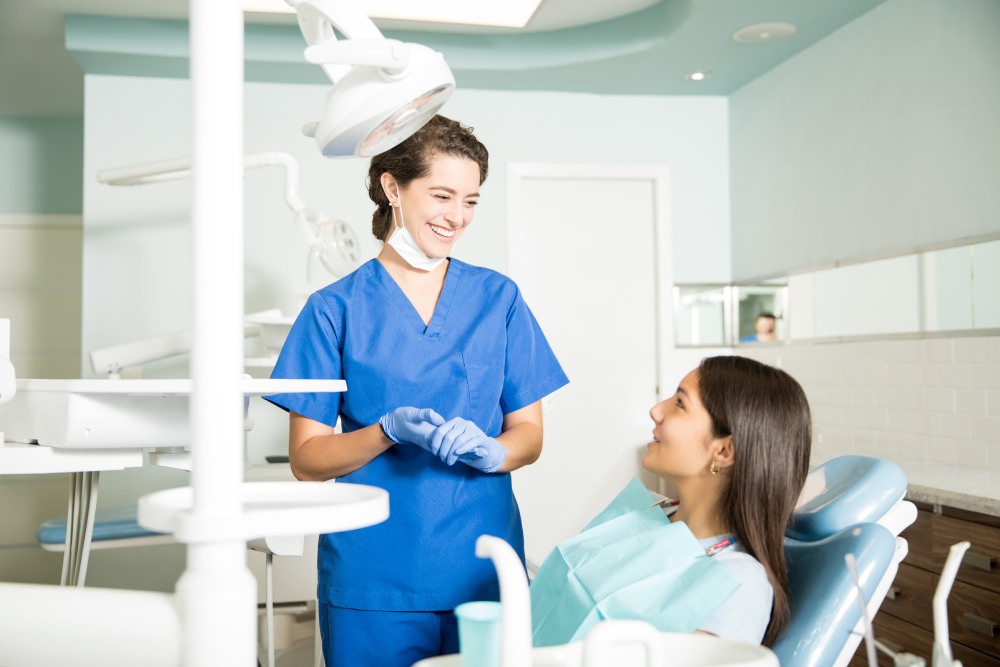
Your First Visit: What to Expect
If it's been a while since your last dental visit, there's no need to feel anxious. A first appointment is a relaxed, no-pressure conversation about your oral health. Your dentist will ask about your medical history, any concerns you've noticed, and your day-to-day habits, then carry out a gentle examination.
From there, we'll explain what we've found in plain language — what looks healthy, what may need monitoring, and whether any treatment would help. You'll always understand your options and any costs before we proceed. Nervous patients and children are especially welcome; our approach is unhurried and reassuring. Meet the friendly dentists at Supreme Dental San Remo who'll be looking after you.
What to Expect During Your Visit
No two appointments are quite the same, but a general or preventive visit at Supreme Dental San Remo usually involves several of the steps below. If it's been a while since you last saw a dentist, there's nothing to worry about — the focus is on gentle checks, a clear conversation and straightforward guidance.
- A chat about your history — we'll talk through your dental and medical background and anything you'd like to raise.
- A look at your daily habits — we may ask about brushing, flossing, diet, sensitivity, or whether you grind your teeth.
- A thorough examination — your teeth, gums and mouth are checked, along with any existing fillings, crowns or other dental work.
- Imaging when needed — X-rays may be suggested if we need to see more than a visual check can show.
- A professional scale and clean — where suitable, a clean helps manage the plaque and tartar that are hard to shift at home.
- Personalised care advice — simple, practical tips on brushing, flossing and everyday habits to support your routine.
Nervous patients and children are especially welcome. Our approach is calm and reassuring, and we'll talk you through each step so you always know what's coming next. You can also meet our San Remo dentists before your visit.
Dental Check-Ups and Cleaning
Check-ups and cleans are the cornerstone of preventive dentistry — and they're valuable even when nothing feels wrong. Early decay, gum inflammation, worn fillings, cracks and tartar build-up often cause no obvious pain at first. By the time discomfort appears, the issue may already need more involved treatment. Regular visits help us catch these things early.
What a Check-Up Looks At
A check-up is more than a quick glance at your teeth. Your dentist examines the teeth, gums, tongue, cheeks, jaw, bite and any existing dental work such as fillings, crowns, bridges, dentures or implants. We look for signs of tooth decay, gum inflammation, tooth wear, cracks, loose or leaking fillings, sensitivity triggers and changes in the soft tissues of the mouth. If you've noticed bleeding gums, bad breath, food getting caught, jaw discomfort or a rough edge on a tooth, this is the time to raise it.
How We Clean Your Teeth
A professional clean focuses on removing plaque and tartar from the teeth and around the gumline. Plaque is a soft film that builds up through the day; if it isn't removed properly it hardens into tartar, which brushing and flossing at home usually can't remove. We may use hand instruments or an ultrasonic scaler — which uses gentle vibration and a water spray — to loosen and lift these deposits, then reach the more detailed areas by hand.
After scaling, we often polish the teeth. Polishing smooths the tooth surfaces and removes some surface staining from everyday foods, drinks and habits. It doesn't change the natural colour of your teeth the way professional teeth whitening does, but it leaves the mouth feeling noticeably fresher and cleaner.
When X-Rays May Be Suggested
Dental X-rays aren't needed at every visit. They're recommended when we need to see areas that aren't visible during the examination — the spaces between teeth, under existing fillings, around tooth roots, or the bone supporting the teeth. X-rays can reveal early decay between teeth, infection, bone changes, impacted teeth or concerns beneath older dental work. If we suggest an X-ray, we'll always explain why and how the information helps with your assessment or planning.
Preventive Treatments We May Discuss
Prevention sits at the centre of good general dentistry. Rather than waiting for a problem to appear, the aim is to strengthen and protect your teeth so issues are less likely to develop in the first place. Depending on what your dentist finds during your assessment — and your personal risk factors such as diet, decay history and how easily plaque builds up — a few preventive options may be worth talking through at your appointment.
Fluoride Applications
Fluoride helps support and remineralise tooth enamel, making it more resistant to the acids that cause decay. It's often associated with children, but it isn't only for young teeth — adults with a higher risk of decay, dry mouth, exposed root surfaces or early enamel wear may also benefit from a professional application. Your dentist can let you know whether fluoride is a sensible addition to your routine, or whether good home care alone is enough for your situation.
Fissure Sealants
The chewing surfaces of the back teeth are full of tiny grooves and pits where food and plaque can lodge and where a toothbrush struggles to reach. A fissure sealant is a thin protective coating painted over these surfaces to smooth them out and help keep decay at bay. Sealants are especially useful for children and teenagers as their adult molars come through, though they can suit some adults too. It's a quick, comfortable and conservative way to protect teeth that are otherwise healthy.
Tailored Prevention Advice
No two mouths carry the same risks, so preventive care works best when it's matched to you. That might mean fine-tuning your brushing or flossing technique, switching to a product better suited to sensitivity or dry mouth, or rethinking how often sugary and acidic foods appear in your day. For patients who grind or clench, we can also discuss a protective custom night splint or mouthguard. The goal is simple: small, sustainable habits that keep you out of the chair for the wrong reasons.
Dental Fillings and Restoring Decayed Teeth
When decay is found early, a filling is often all that's needed. We remove the decayed portion of the tooth and restore its shape and function with a tooth-coloured composite material that blends in naturally — so in most cases, you can't tell the tooth has been treated. Restoring a tooth promptly helps prevent the decay spreading deeper, where it could eventually require root canal treatment or removal.
If a tooth is more heavily damaged or a filling alone won't hold, we'll talk you through stronger options such as crowns. Whatever the situation, we'll always recommend the most conservative treatment that will genuinely protect the tooth.
Gum Health and Bleeding Gums
Healthy gums are just as important as healthy teeth. Gums can become inflamed when plaque and tartar sit around the gumline, leading to bleeding when you brush or floss, tenderness, swelling, bad breath or gum recession. During your check-up we assess whether your gums are healthy, mildly inflamed, or showing signs that need closer monitoring, and in some cases we take gum measurements to check for deeper spaces where plaque and bacteria can collect.
Bleeding gums can have several causes. Often it's linked to plaque around the gumline, but factors such as smoking, certain medications, pregnancy, medical conditions, dry mouth or a change in cleaning habits can also contribute. Rather than ignoring the symptom, it's worth having it assessed. Improving gum health usually starts with better plaque control matched to the individual — some patients simply need help with technique, while others benefit from professional cleaning, ongoing monitoring or more detailed periodontal (gum disease) care.
Signs Worth Having Checked
Not every change in your mouth points to something serious — but some are worth a professional look, particularly when they linger or gradually get worse. If any of the following sound familiar, it's a good prompt to arrange a check-up rather than wait and hope it settles on its own:
- Gums that bleed when you brush or floss
- Bad breath that keeps coming back despite good cleaning
- Teeth that twinge with hot, cold or sweet foods
- Teeth that look discoloured, chipped or worn
- Teeth that feel loose or seem to be shifting, or gums that are pulling back
- Swelling around a tooth or the jaw, or mouth sores that won't heal
- A rough edge, a lost filling, or food that keeps getting trapped in one spot
Symptoms like these can have many different causes, and having them assessed early usually means simpler, gentler treatment. If you're unsure whether something is worth mentioning, mention it anyway — a short conversation and a look are often all it takes to put your mind at ease. You can contact our San Remo team or book online whenever something doesn't feel right.
OEveryday Oral Hygiene Habits
Good oral health is a partnership between the care you receive in the chair and the habits you keep between visits — and consistency counts just as much as technique. A simple, dependable daily routine goes a long way:
- Brush twice a day — gently, with a fluoride toothpaste and a soft brush.
- Clean between your teeth — with floss or interdental brushes to reach where a toothbrush can't.
- Use products that suit you — your dentist can recommend the right tools for your needs.
- Watch your diet — keep a balanced diet and limit frequent sugary or acidic snacks and drinks.
- Keep up regular visits — routine examinations help catch small changes early.
- Follow your dentist's tailored advice — small adjustments matched to you make the biggest difference.
These habits support your oral health, but they can't guarantee that problems will never develop — which is exactly why professional monitoring is such a valuable companion to good home care.
Preventive Dentistry for Every Stage of Life
The value of preventive care shifts as we grow, but it never really stops mattering. Building the right habits early and keeping up with regular visits helps every member of the family hold onto a healthy smile for the long run.
Children and Teenagers
Early positive experiences shape how a child feels about the dentist for years to come. Regular visits let us gently monitor developing teeth, encourage good brushing with age-appropriate fluoride toothpaste, and step in early if we spot anything. We take an easy, unhurried approach with younger patients through our child dentistry service, and eligible children may be able to access care through the Child Dental Benefits Schedule.
Adults
For adults, prevention is mostly about consistency — routine check-ups and cleans that keep plaque under control, catch small issues while they're still small, and protect the dental work you already have. If you play sport or grind your teeth, protective options are worth discussing as part of that everyday care.
Older Adults
Teeth and gums naturally change over the years, and factors like dry mouth, medications and existing restorations can influence oral health later in life. Regular assessments help us keep an eye on these changes and adjust your care so your smile stays comfortable and functional.
Why Choose Supreme Dental San Remo
- Gentle, patient-first care — an unhurried, reassuring approach that suits nervous patients, children and families alike.
- An experienced local team — get to know our dentists and the story behind our San Remo clinic.
- Care under one roof — from routine check-ups to cosmetic and orthodontic treatment, most needs stay with one trusted team.
- Health-fund friendly and flexible — we're a preferred provider; explore current offers and ask about using your superannuation for major dental work.
- Serving the wider Bass Coast — caring for patients across San Remo, Phillip Island, Newhaven, Wonthaggi, Inverloch and surrounding areas.
Serving San Remo and the Surrounding Bass Coast
Supreme Dental San Remo proudly cares for patients from San Remo and surrounding areas, including Cape Woolamai, Smiths Beach, Newhaven, Ventnor, Inverloch, Wonthaggi, Kilcunda, Surf Beach, Rhyll, Cape Paterson, Bass, Silverleaves, Coronet Bay, Corinella, Sunderland Bay, Sunset Strip, Dalyston, Summerlands, Harmers Haven, Grantville, Archies Creek and Wimbledon Heights.
If your gums bleed, your teeth feel sensitive, you've noticed tartar build-up, or it's simply been a while since your last visit, a check-up is the easiest way to find out what's happening. Book online or contact our friendly team today.
Ready for a healthier smile? Book your general dentistry appointment at Supreme Dental San Remo — book online here.
Frequently Asked Questions
General dentistry is the everyday preventive, diagnostic and restorative care that keeps your teeth and gums healthy — including check-ups, professional cleans, fillings, gum care, X-rays, extractions and simple restorations. A general dentist is usually your first point of contact and can refer you for specialist care when needed.
It depends on your oral health, gum condition, decay risk, medical history and previous treatment. Many patients attend every 6 to 12 months, but your dentist can suggest an interval that suits your individual needs.
Brushing and flossing control plaque, but once it hardens into tartar it usually can't be removed at home. A professional clean removes tartar from areas like the gumline and between the teeth that are difficult to reach yourself.
Bleeding gums are often linked to plaque build-up and gum inflammation, but brushing technique, medications, pregnancy, smoking or other health factors can also contribute. A dental assessment can help identify the likely cause and the right way to improve it.
Some people notice temporary sensitivity, especially if there was gum inflammation, exposed root surfaces or heavier tartar build-up. It usually settles quickly and depends on your individual situation.
No. X-rays are recommended only when your dentist needs more information than a visual examination can provide — for example, to check between teeth, under fillings or around the roots. The reason will always be explained before proceeding.
Fillings are routinely carried out with local anaesthetic to keep you comfortable, so most people feel little more than mild pressure. We take a gentle approach and check in with you throughout.
Cleaning between your teeth matters, but the best tool varies from person to person. Some do well with floss, others with interdental brushes or other aids — the right option depends on the spaces between your teeth and any dental work present.
Yes. We take an unhurried, reassuring approach that suits children and anxious patients, and we offer dedicated care through our child dentist service to help little ones feel at ease.
We're a health fund preferred provider and are happy to help you understand your cover. Flexible payment options are available for larger treatments, and eligible patients may be able to use their superannuation for major dental work.
No. Fluoride is often recommended for children, but adults can benefit too — particularly those with a higher risk of decay, dry mouth, exposed roots or early enamel wear. Your dentist will let you know whether a professional application is worthwhile for you.
A fissure sealant is a thin protective coating applied to the grooved chewing surfaces of the back teeth, where decay tends to start. They're most commonly used for children and teenagers as their adult molars come through, though some adults with deep grooves may benefit as well.
Bleeding gums, ongoing bad breath, sensitivity, discoloured or worn teeth, loose teeth, receding gums, swelling or a lost filling are all worth having checked. These signs can have several causes, and an early assessment usually means simpler treatment.
Early, relaxed visits make a big difference. We take a gentle, reassuring approach with younger patients and explain each step in a friendly way, so children build a positive relationship with dental care from the start.
It can. Dry mouth, certain medications and existing dental work can all affect your teeth and gums over time. Regular check-ups let us monitor these changes and tailor your care accordingly.
Health Fund Providers



Request an Appointment

Our opening hours are:
Monday to Thursday: 9am to 6pm
Friday: 9am to 4:30pm
Saturday – Sunday: Closed